The Crown-Cap Liner Archive
Preserving This Delightful Post-Purchase Brand Moment
Collecting, Cataloging & Contextualizing Fun-Sized Material Culture™


Preserving This Delightful Post-Purchase Brand Moment
Collecting, Cataloging & Contextualizing Fun-Sized Material Culture™
February 27, 2026
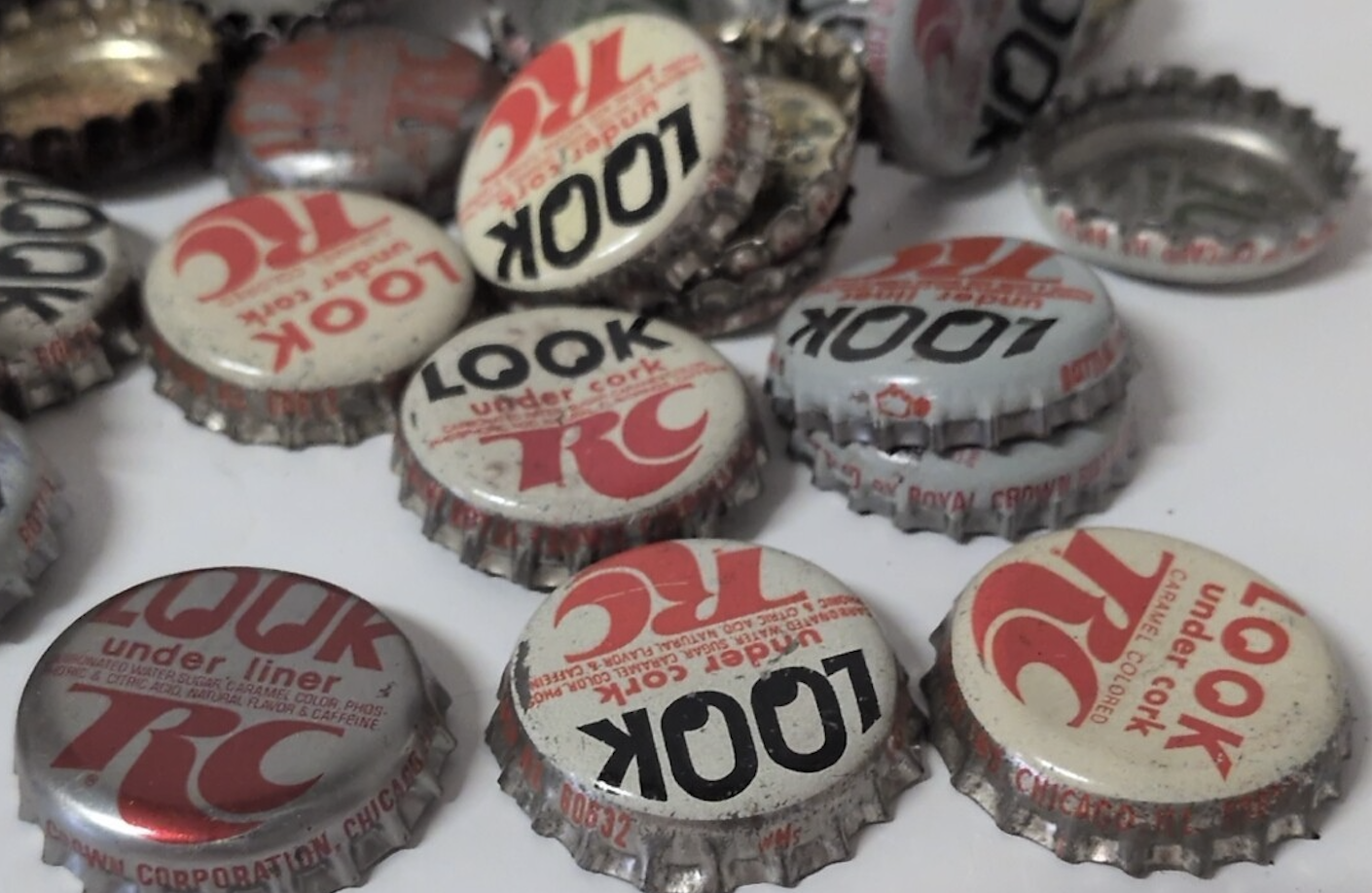
The Crown-Cap Liner Archive (CCLA) is dedicated to the preservation, study, and public exhibition of all or portions of the definitive collection of crown bottlecap liners.
Through rigorous archival practice, research, and museum-quality exhibitions, CCLA advances public understanding of crown-cap liners as artifacts of material culture—objects that document technological innovations, graphic communication including brand touchpoints and marketing efforts, historical moments like wartime production constraints, regional identity signaling, commonalities across cultures around the globe, and those ordinary rituals embedded into our everyday lives.
CCLA treats these small, overlooked industrial components not as commercial ephemera, but as primary historical evidence. Each liner carries traces of its moment: manufacturing methods, printing technologies, supply chains, regulatory shifts, and the social histories of both the beverages they sealed and the people who broke those seals open.
By presenting these artifacts in historical context, CCLA promotes public education in design history, industrial history, and the broader study of material culture. The Archive affirms that meaning is not determined by market value but by context, continuity, and the compelling stories which objects revive when carefully preserved and interpreted.
Through scholarship, exhibition, and collaboration, CCLA seeks to make visible what is usually hidden within plain view, demonstrating how even the most modest manufactured object can illuminate the structures and dynamics of its time.
December 28, 2025
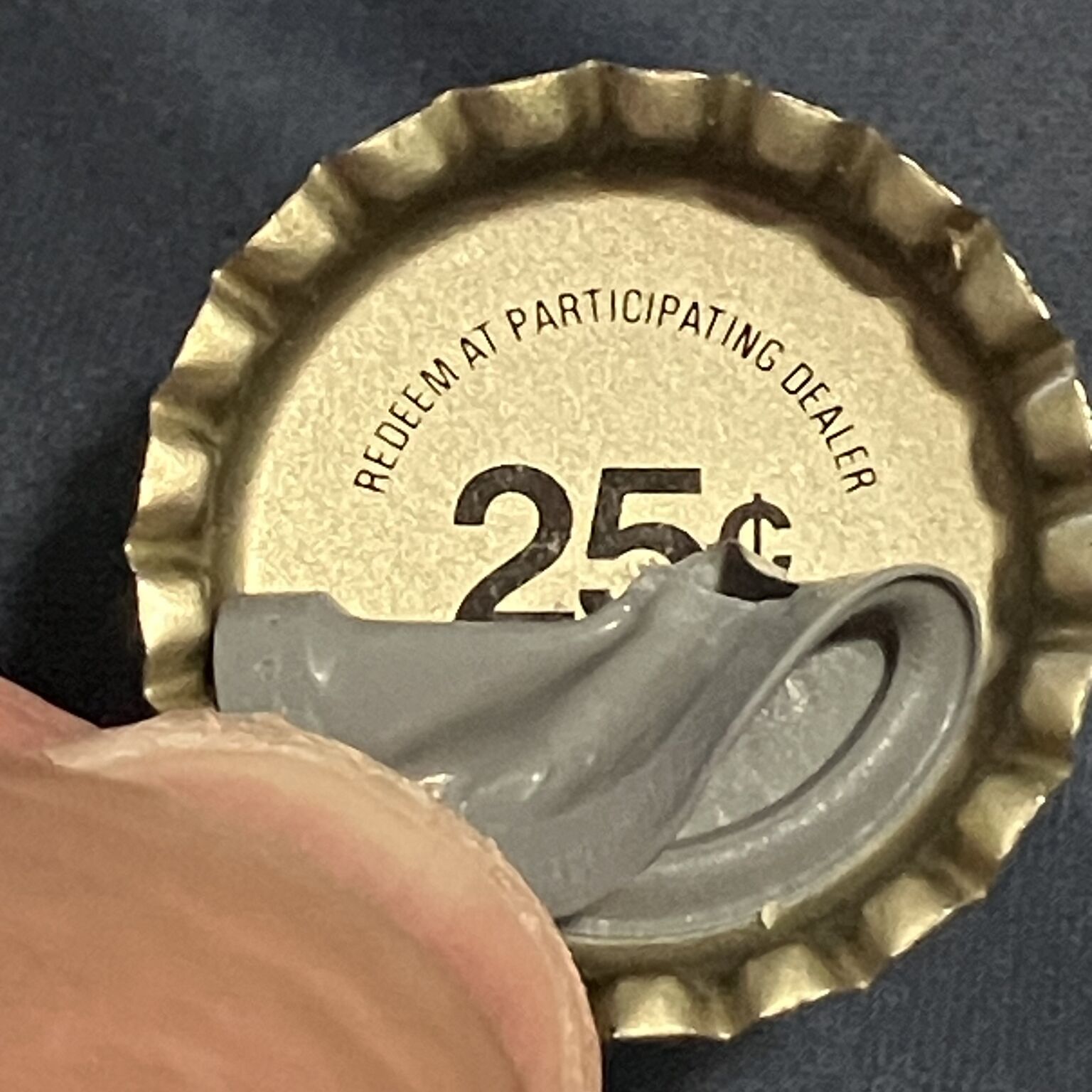
A 5-why analysis of crown-cap liners starts with a tiny, disposable object and quickly escalates into industrial history, branding psychology, and cultural signaling:
By the fifth “why,” crown-cap liners are no longer about sealing bottles; they’re about:
In other words, the crown-cap liner is where industrial necessity accidentally becomes cultural expression.
February 5, 2026
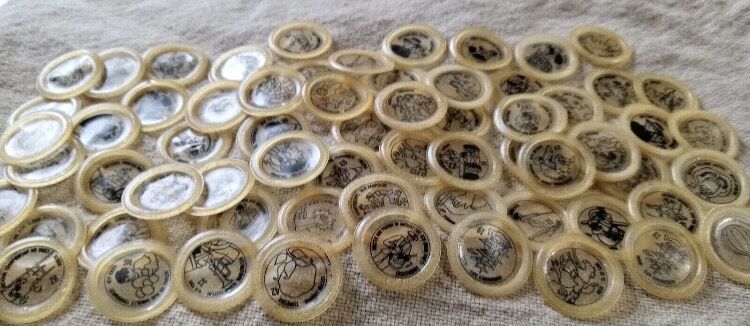
I much prefer crown-cap liners to remain inside their crowns, but many people shucked them like scallops and tossed the ‘shell’ of a bottle cap. This also removes some of the tie to that initial moment of surprise when opened, but the ’70s were wild times, and everyone did regrettable things.
Here we celebrate those weird, shucked liners that Argentinians still call ‘gummies.’
Special Online Museum Exhibit—March 5, 2026
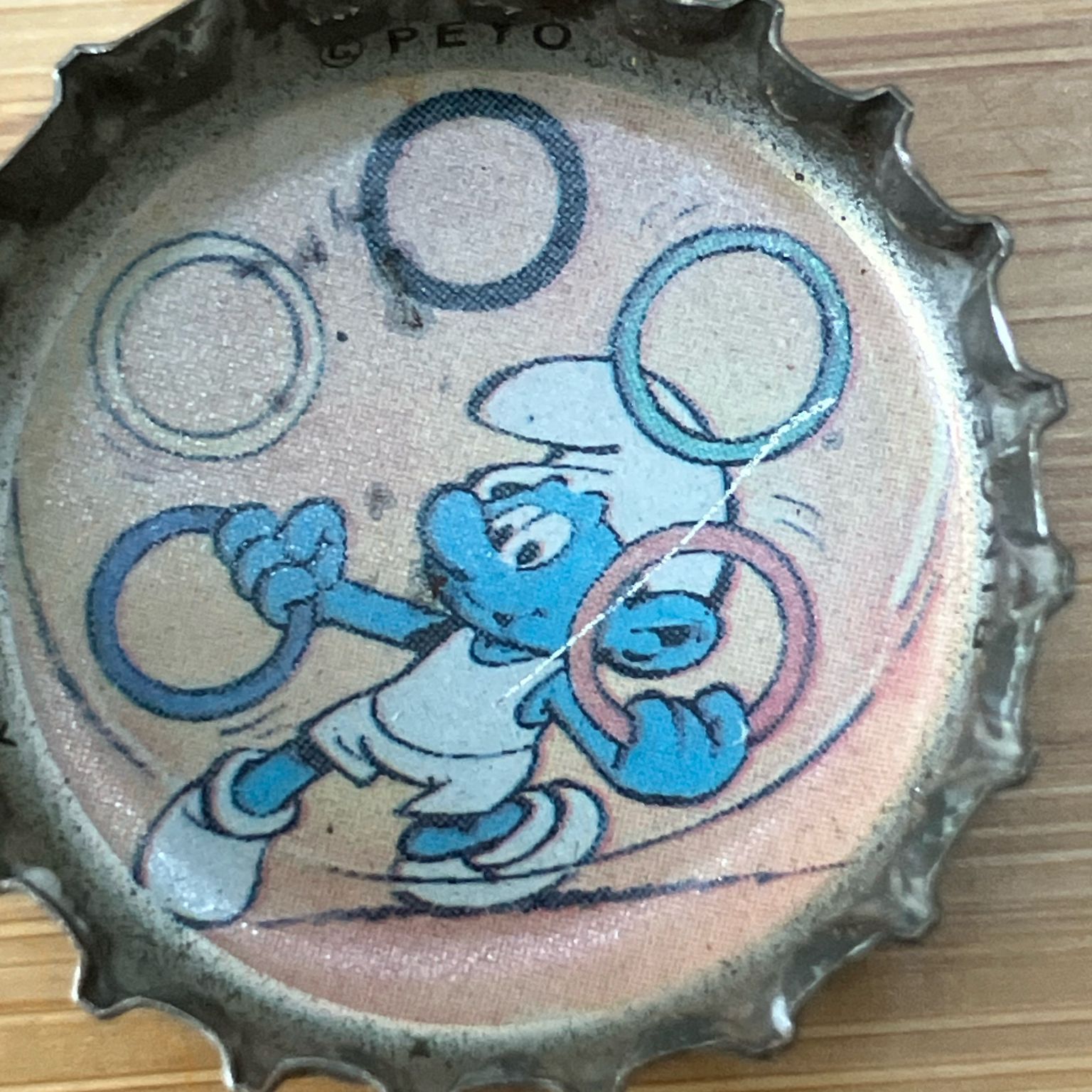
No other crown-cap liner series was as extensively promoted or documented. Here we share the definitive exhibition, including an unfolding mystery.
First posted December 20, 2025
During this early stage forming a new nonprofit, we are looking for experienced nonprofit board members who enjoy this BUILD phase, turning an idea into a functioning, compliant organization.
As a working, founding board, members will contribute to the establishment of our legal, financial and governance foundations:
This is meaningful, hands-on volunteer service with real influence over how The CCLA takes shape from Day One. If you've served on nonprofit boards or helped launch one, we could use your assistance. Provide a link to your profile or background in a message to Jon Marquardt, CCLA Founder.
Invitation extended to Monday, March 23rd, 2026.

April 2, 2025
What stuck with me most from ‘Jack and the Beanstalk’ (folklorists’ ATU 328, ‘The Boy Who Stole Ogre's Treasure’) is the fact that those magic beans were tossed away yet really were magical.
Even today, people routinely cast off things that have genuine value despite being small and seemingly insignificant.
One such overlooked trinket would be the lowly crown bottle cap. Without William Painter’s 1892 invention, many drinks like Coca-Cola would not be globally portable and enjoyed as universally as they are today.
After the 1960s’ transition from cork liners to clear plastic liners, not only could your soda arrive fizzy, it could also contain a cartoon image, photo or message hidden inside its crown.
Pre-internet, this simple idea was enchanting and gave a moment of joy for all ages. Call me crazy: I collect and share these gems by the tens of thousands, and some are worth much more than others (based on interest, rarity & condition).
Explore our eBay store, Hen’s Teeth Crown Cap Emporium, to see hundreds of varieties from around the world!
November 26, 2025
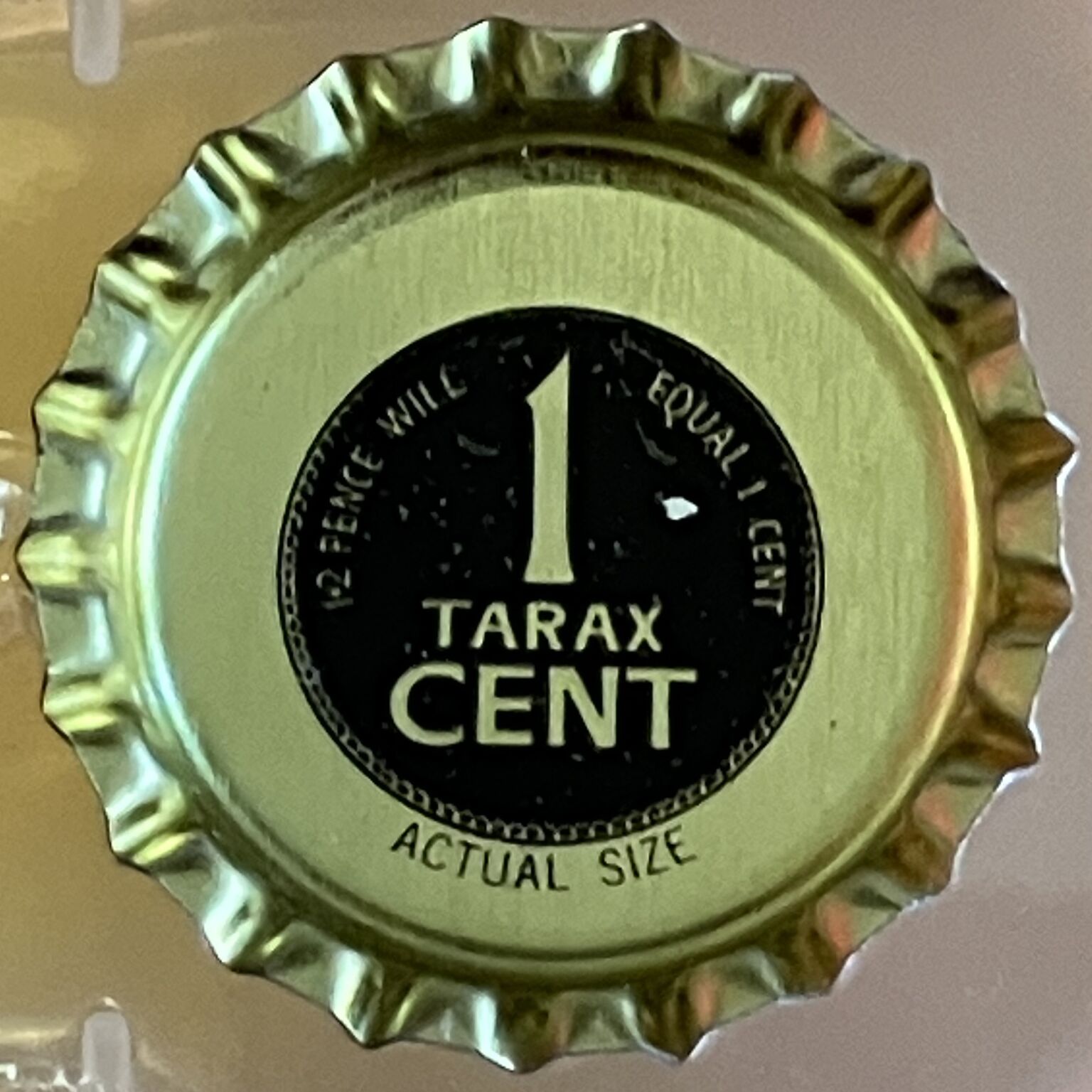
In Australia, circa 1966, a humble bottle cap marked (in Actual Size, no less) the nation’s shift from imperial pounds, shillings, and pence to decimal currency, turning a disposable object into a micro-document of social change; branding, public education, and national identity briefly intersected at the smallest possible scale.